Weekly Planner KDP: Simplifying Time Management
A well-structured week can feel like a quiet superpower. Yet many planning tools overcomplicate what should be straightforward. That is where a focused, one-page weekly planner becomes essential. The Weekly Planner, KDP interior offers exactly this—a clean, functional layout designed for Amazon’s Kindle Direct Publishing platform that turns simple organization into a market-ready product.
What the Weekly Planner KDP Interior Actually Is
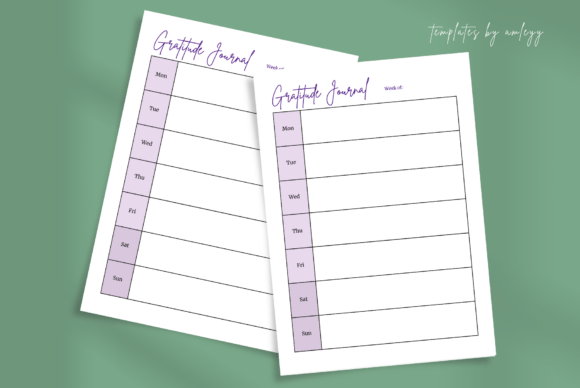
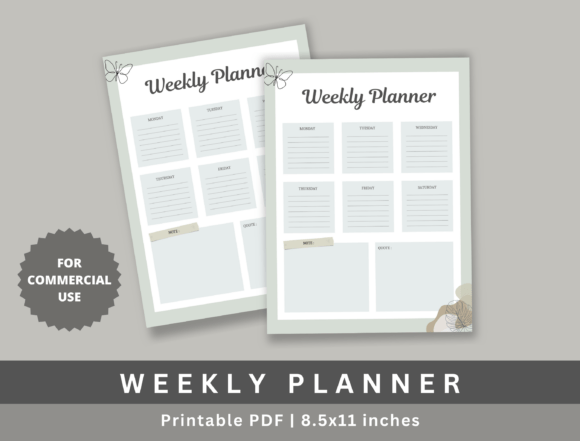
At its core, this is a pre-formatted PDF file measuring 8.5 by 11 inches. It contains a single-page weekly layout that is high-resolution and print-ready. The design prioritizes clarity and simplicity, leaving ample space for tasks, appointments, notes, or goals. Because it arrives in a universally accepted PDF format tailored to KDP’s low-content publishing requirements, you can upload it without additional editing. This means no reformatting, no resizing, and no technical fuss.
The interior is designed for one thing: helping people organize their time. Whether you plan to use it personally or package it into a journal for sale, the layout stays functional and distraction-free.
Why a One-Page Weekly Planner Appeals to Beginners and Creators
Many people start their planner journey wanting simplicity. They do not need hourly breakdowns or complex habit trackers right away. A Weekly Planner, KDP interior serves that need well. It asks only that you fill in your week, see your priorities, and move forward.
For creators and entrepreneurs, the appeal goes deeper. You can incorporate this layout into a larger journal, a standalone planner, or a themed organizer. Because it comes with commercial use rights, you can sell the final product on KDP or other marketplaces. That transforms a simple organizational tool into a potential income stream.
Consider a freelance graphic designer who wants to offer planners on Amazon. Instead of designing each page from scratch, they use this interior as the foundation, add a cover, and publish. The heavy layout work is already done.
Practical Benefits of the High-Resolution, Print-Ready Format
Resolution matters more than many beginners realize. A low-resolution file looks crisp on screen but turns blurry when printed. This planner interior is high-resolution, so lines remain sharp and text stays readable after printing. For anyone selling printed books through KDP, that quality difference directly affects customer satisfaction. A fuzzy planner page feels unprofessional. A sharp one feels premium.
The 8.5 x 11 inch size is standard for US letter paper. That means users can print it at home, at a copy shop, or through Amazon’s print-on-demand service without guessing margins. It fits standard binders, spiral-bound notebooks, and softcover books equally well.
Where and How You Can Use This Weekly Planner
The uses for a Weekly Planner, KDP interior stretch across personal, professional, and commercial contexts.
Personal Organization
For yourself, this planner helps structure weekly goals, track appointments, or maintain a simple to-do list. If you work from home, you can note deadlines, family commitments, and personal projects side by side. The single-page view means you see the entire week without flipping back and forth.
Creative Projects and Hobbies
Artists and hobbyists can use the layout to plan creative sessions. A writer might block out writing time, a gardener could track planting schedules, and a musician may log practice sessions. The open structure adapts to whatever needs attention.
Professional and Educational Settings
Teachers use weekly planners to map lesson plans. Small business owners track client meetings and deadlines. Freelancers manage multiple projects in one glance. The neutral design works for any profession because it does not enforce a specific system—it just provides space.
Commercial Use on KDP
This is where the interior becomes more than a personal tool. You can publish it as part of a low-content book on KDP. Many sellers combine weekly planners with monthly calendars, goal pages, or note sections. Because the PDF is already formatted for KDP, you avoid the trial and error of adjusting bleed and trim sizes. Upload it, pair it with a cover, and list it.
A practical example: a blogger creates a minimalist planner for entrepreneurs. They use this interior for the weekly spread, add an introductory page, and publish. The design is clean, the resolution is high, and the file is ready. That is a product that can start generating sales without weeks of design work.
Important Considerations Before Publishing or Using
While the Weekly Planner, KDP interior is straightforward, a few points deserve attention.
- Check KDP guidelines for low-content books. Amazon has specific rules about trim size, bleed, and file naming. This interior already complies, but you still need to set your book correctly during the upload process.
- Consider how you will bind the book. If you print at home or through a local shop, the 8.5 x 11 inch size works well with spiral binding, three-ring binders, or perforated tear-off pads. For KDP print-on-demand, standard paperback binding is typical.
- Think about cover design. The interior does the heavy lifting, but a strong cover matters for sales. Match the cover style to the clean, functional aesthetic inside.
- Plan your content structure. If you are creating a full planner, decide where this weekly page sits. Does it follow a monthly overview? Is it preceded by goal-setting pages? A clear structure helps users navigate your book.
How This Interior Supports Productivity Without Overwhelm
Many productivity systems rely on complex layouts that take time to learn. This planner takes the opposite approach. It offers space for what matters without prescribing how you should use every section. That flexibility appeals to beginners who have not yet settled on a planning method and to experienced users who prefer adapting tools to their workflow rather than adapting their workflow to the tool.
You might write priorities at the top, list tasks for each day, or use the open areas for notes and reflections. There is no right way. The layout supports multiple approaches because it resists overdesign.
Making the Most of Commercial Use Rights
One feature that sets this interior apart is the included commercial license. You are allowed to incorporate it into products you sell. That is not always the case with planner templates, so it is worth confirming before purchase. For anyone looking to start a small publishing venture on KDP, this removes a common legal hurdle.
A student saving for tuition could publish a series of planner books for different audiences—students, parents, remote workers. Each book reuses the same interior layout but pairs it with a unique cover and branding. The time saved on design allows for more titles and faster listings.
A small business coach could give away a planner as a lead magnet, then sell a printed version on KDP. The same interior serves both marketing and revenue generation.
Starting Your Planner Journey with a Reliable Foundation
Whether your goal is personal organization, creative structure, or commercial publishing, the Weekly Planner, KDP interior provides a solid starting point. It removes technical barriers, offers commercial flexibility, and keeps the focus where it belongs: helping people manage their time with clarity and ease.
For beginners, it removes the intimidation of layout design. For experienced creators, it saves hours of formatting work. And for anyone who values functional simplicity, it delivers exactly what the name suggests—a weekly planner that works without getting in the way.