2026 Mental Wellness Self-Care Journal
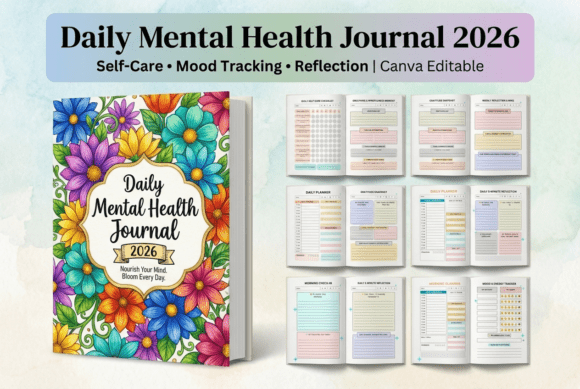
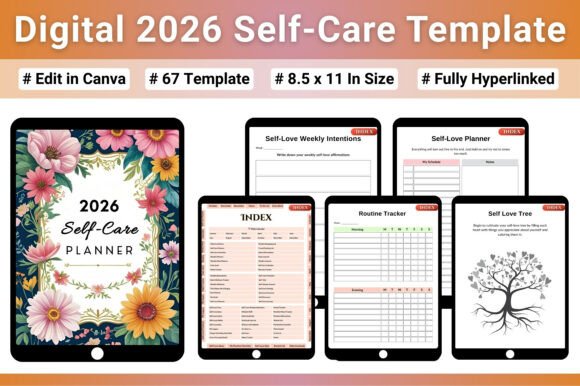
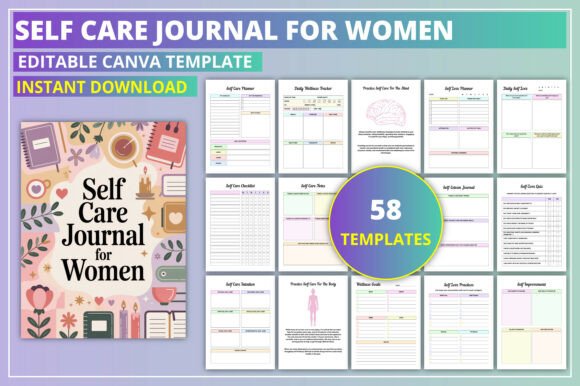
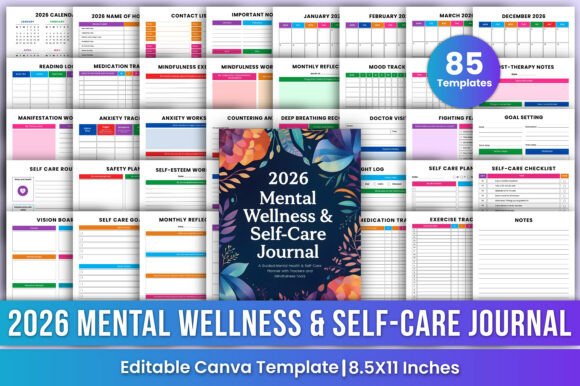
For professionals, entrepreneurs, and creators who spend their days making decisions, managing teams, and building toward long-term goals, mental wellness is not a luxury—it is an operational necessity. Yet, without a structured system, self-care often becomes reactive rather than intentional. The 2026 Mental Wellness Self-Care Journal offers a thoughtful, guided framework designed specifically for those who want to integrate emotional awareness and daily reflection into their strategic planning. This journal combines a full year of planning pages, mental wellness check-ins, mood tracking, and mindfulness exercises—all within an editable Canva template that you can tailor to your own context.
What makes this journal more than a simple diary is its emphasis on intentional use. It is not a place to passively record feelings; it is a tool to help you make better decisions by understanding how your emotional state affects your work, your communication, and your long-term outcomes. In the following sections, we will explore how to use the 2026 Mental Wellness Self-Care Journal strategically, when to rely on it, and what to watch for so that it serves your goals—not just your habits.
Why a Structured Journal Matters for Decision-Makers
Professionals aged 20 to 50 often face competing demands: tight deadlines, client expectations, creative pressure, and the constant need to adapt. Over time, mental fatigue can cloud judgment and reduce productivity. A structured wellness journal like this one provides a dedicated space to step back, notice patterns, and realign your energy with your objectives.
The 2026 Mental Wellness Self-Care Journal includes pages for yearly wellness overviews, monthly planning, and weekly reflection. These are not generic calendars—they are designed to help you connect your emotional health with your professional roadmap. For example, the Monthly Reflection Intention pages allow you to set a personal or professional intention at the start of each month and revisit it later. This practice builds a bridge between what you aim to accomplish and how you feel while doing it.
From Passive Tracking to Active Strategy
One common mistake is treating a journal as a log of what happened, rather than a lens for what matters. The mood tracker and emotional check-in sheets in this journal are most effective when you use them to ask: What does this pattern tell me about my next move? If you notice low energy during the third week of every month, perhaps that is the moment to schedule lighter creative work or to build in a mid-month reset. The journal gives you the data; you supply the strategic interpretation.
Entrepreneurs, freelancers, and small business owners can especially benefit from this approach. When you are solely responsible for outcomes, ignoring emotional signals can lead to burnout or poor decisions. Using the mental wellness pages to track stress triggers and clarity levels helps you anticipate challenges before they escalate. The 2026 Mental Wellness Self-Care Journal becomes a quiet advisor that keeps your inner state aligned with your external goals.
How the Journal Supports Long-Term Goals and Planning
Goal achievement is rarely a straight line. It requires flexibility, self-compassion, and the ability to re-evaluate. The journal’s 2026 yearly planning calendar and monthly wellness planning pages allow you to map out your major milestones while leaving room for emotional recalibration. Consider using the Yearly Wellness Overview to define three or four non-negotiable wellbeing practices—such as weekly rest, regular mindfulness, or emotional honesty—and then integrate them into your monthly and daily routines.
For example, if your goal in 2026 is to launch a new product or service, you might use the Monthly Planning Pages to schedule creative sprints alongside rest days. The Daily Self-Care Routine pages can then function as a micro-commitment: every morning, you decide what one grounding practice will keep you steady through that day’s demands. This kind of intentional layering turns the journal from a collection of prompts into a repeatable system.
Practical Planning Tips for Realistic Use
- Start small – Choose one section of the journal to use consistently for the first month. The Mood Tracker is a good entry point because it takes two minutes and reveals patterns quickly.
- Link journaling to existing habits – If you already review your weekly goals on Sunday evenings, add the Emotional Check-In Sheet to that same session. The context will make the reflection more relevant.
- Customize for your context – Because the journal is an editable Canva template, you can rename sections, adjust colors, or add fields that match your industry. A coach might add a “client energy” tracker; a marketer might rename “rest pages” as “creative recharge notes.” The structure is yours to adapt.
- Treat reflection as a decision-making aid – After reviewing your monthly reflection intention, ask: “What should I stop, start, or continue doing next month based on how I felt?” This turns insight into action.
When to Use the Journal—and When to Step Back
The 2026 Mental Wellness Self-Care Journal is most valuable during periods of transition, high workload, or when you need to nurture a new habit. If you are beginning a major project, adjusting to a new role, or recovering from a demanding season, the structured prompts help you stay grounded. Conversely, if you are already in a stable flow and have a well-established wellness practice, you might use the journal more sparingly—perhaps only for monthly reflections or quarterly check-ins.
Resist the temptation to fill every page every day if that feels like a burden. The journal is a support tool, not a performance metric. Over-committing to journaling can generate guilt and paradoxically reduce the mental wellness you are trying to build. Instead, use the weekly “Rest, Calm Reset” pages as a permission slip to stop when you need to. Strategic use means knowing when to engage and when to set the journal aside.
Possible Risks of Using the Journal Without Clear Intent
Any tool can become counterproductive if used passively. The main risk of the 2026 Mental Wellness Self-Care Journal is that you might fill it out mechanically, without connecting the data to your decisions. Writing down feelings every day without revisiting them does little to improve clarity or outcomes. Another risk is over-analysis: spending too much time on mood tracking can keep you stuck in a self-observing loop rather than taking action. To avoid these pitfalls, set a simple rule: for every pattern you identify, write one small action you will take. This ensures the journal stays a tool for progress, not just a record.
Creative and Professional Applications Beyond Personal Use
Because the journal is fully editable in Canva, it opens up possibilities for professionals who work with others. Coaches, therapists, and wellness practitioners can customize the template for clients or group programs. Small business owners can brand the journal with their own colors and logos to offer as a client appreciation gift or a lead magnet. Bloggers and content creators can use the reflection pages to gather authentic material for newsletters, social media, or course content—always respecting your own privacy boundaries.
The mental wellness pages can also serve as a framework for team wellbeing initiatives. A team leader might use the emotional awareness reflection prompts in a weekly stand-up, encouraging members to share how they are showing up that day. The key is to adapt the structure to the context, rather than forcing everyone into a rigid format.
Long-Term Value Through Customization
The ability to edit colors, fonts, and layouts means you can evolve the journal as your needs change. What starts as a personal mood tracker in January might become a detailed project reflection tool by June. The yearly structure provides a backbone, but the flexibility allows you to respond to real life. When you invest time in tailoring the template—adding your own questions, adjusting the layout to fit your workflow—you are essentially building a custom system that grows with you. That is where the long-term value lies.
Making the Decision: Is This Journal Right for You?
If you are a professional who values clarity, emotional intelligence, and intentional growth, the 2026 Mental Wellness Self-Care Journal offers a practical way to embed wellness into your workflow. It is not a quick fix or a magic solution; it is a reflective tool that rewards consistent, thoughtful use. The questions to ask yourself before committing are: Do I have the time to use it meaningfully? Am I willing to act on what I discover? Can I approach it as a guide, not a task?
If the answer is yes, then integrate the journal into your planning system from day one of 2026. Print a few pages first to test the format, then customize the digital template to match your preferences. Use the yearly overview to map out high-level goals, the monthly pages to break them into manageable steps, and the daily pages to stay connected to your inner state. With deliberate use, this journal can become a quiet anchor that keeps you grounded, focused, and better equipped to make the decisions that matter most.
The 2026 Mental Wellness Self-Care Journal is not just a collection of prompts—it is a strategic resource for anyone who understands that sustainable success depends as much on inner balance as on external effort. Use it wisely, and it will serve your goals for years beyond 2026.