A Safety Plan That Works: Practical Ways to Stay Grounded and Prepared
Life doesn’t always go according to plan. You might wake up feeling fine, only to have a wave of panic hit by mid-afternoon. Or you could be navigating a breakup, grieving a loss, or managing the slow burn of low mood that makes everything feel harder than it should. In those moments, having a structured yet flexible safety plan can be the difference between spiraling and staying grounded. This isn’t just a document you fill out once and forget. It’s a living tool you can revisit, revise, and actually use when you need it most.
What Is a Safety Plan and Why Does It Matter?
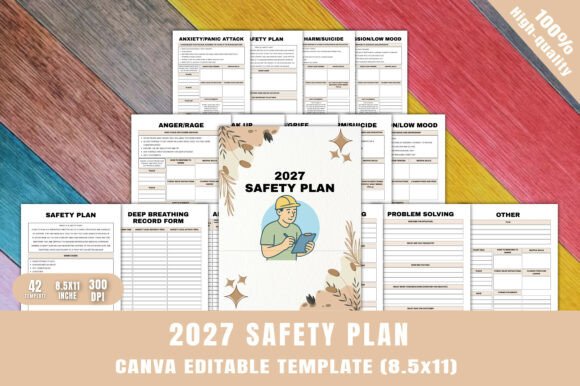
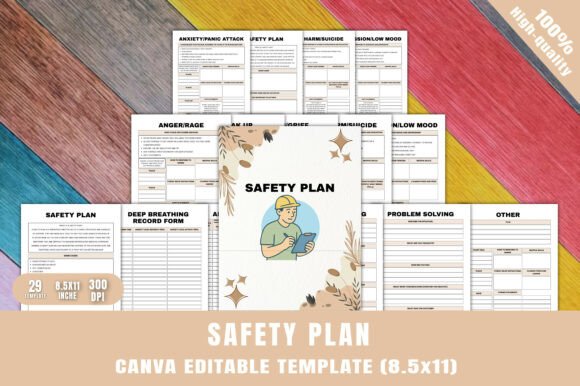
A safety plan is a personalized, step-by-step guide designed to help you recognize early warning signs, manage distressing emotions, and take concrete actions before a crisis escalates. Think of it as a fire escape route for your mental health — you hope you never need it, but you’ll be glad it’s there. It typically includes triggers, coping strategies, support contacts, and reminders of what works for you individually. The Canva KDP interior for a Safety Plan takes this concept and makes it beautifully practical with 29 professionally designed pages that you can customize to fit your exact needs. Whether you’re creating one for yourself, a client, or a classroom, having a ready-made structure saves time and ensures nothing important gets left out.
Where and When People Turn to a Safety Plan
Safety plans aren’t one-size-fits-all. They show up in different places and for different reasons:
- During therapy or counseling: Many therapists help clients build a safety plan as part of treatment for anxiety, depression, or trauma. Having a physical or digital copy means you can pull it out during a tough session or review it at home when the therapist isn’t available.
- In the middle of a panic attack: When your heart is racing and your thoughts are scattered, a simple list of grounding techniques or breathing exercises can bring you back. Pages like the “Deep Breathing Record Form” or “Anxiety Tracker” give you a concrete task to focus on.
- After a breakup or major loss: Grief can make you feel untethered. A safety plan with a section for “Loss Grief” and “Self-Esteem Worksheet” helps you process emotions without getting stuck in rumination.
- In educational settings: Teachers and school counselors use safety plans for students dealing with bullying, family issues, or self-harm urges. The “Self-Harm Suicide” page provides a structured way to talk about risks and resources.
- As part of a daily self-care routine: Even on good days, reviewing your “Coping Steps” or “Goal Setting” pages reinforces positive habits and keeps you aligned with your priorities.
The flexibility of a safety plan means you can use it proactively (to prevent a crisis) or reactively (when you’re already struggling). That dual function is what makes it such a valuable resource for anyone managing mental health challenges — your own or someone else’s.
For Individuals Managing Their Own Mental Health
If you’ve ever felt like your emotions come out of nowhere, a safety plan gives you a framework to spot patterns. The “Anxiety Panic Attack” and “Depression Low Mood” pages help you identify what’s different today compared to yesterday. Maybe you notice you haven’t been sleeping well, or you’ve been avoiding social contact. That awareness alone can stop a downward spiral. Plus, the “Problem Solving Page 2” encourages you to break down a stressor into manageable parts instead of feeling overwhelmed by the whole thing. Over time, using the plan becomes second nature — you know to grab your notebook, turn to the “Deep Breathing Record Form,” and take five slow breaths before responding to a trigger.
For Therapists, Coaches, and Counselors
Professionals working with clients often need templates that are easy to customize for each person. This Canva KDP interior includes a “Doctor’s Visit” page and “Annual Goals” section, which are perfect for tracking progress across sessions. Instead of starting from scratch, you can adjust colors, fonts, and layouts to match your brand or your client’s preferences. The “Table of Contents” and 29 unique pages mean you can pick and choose what’s relevant, whether you’re focusing on anger management, grief, or crisis prevention. Having a visually appealing, professional-looking plan also increases client buy-in — it feels more like a collaborative tool than a clinical form.
For Educators and School Staff
School counselors and special education teachers frequently work with students who need a concrete plan for emotional regulation. The “Anger Rage” page, “Coping Steps,” and “My Main Goals Page 2” can be adapted to a student’s age and reading level. Since the Canva template is 100% customizable, you can swap in simpler language or add icons. The “To-Do List” and “Notes” pages also help students organize their day when anxiety is making it hard to concentrate. Having a safety plan in the classroom gives students a private, non-disruptive way to self-soothe — they can step aside, fill out a page, and return to their work without drawing attention.
For Creators and Small Business Owners
Running a business or creative project comes with its own emotional rollercoaster. Imposter syndrome, burnout, and rejection can hit hard. A safety plan tailored to your work life might include a “Stress Relief Coloring Pages” section for quick brain breaks, or a “Goal Setting” page that aligns with your quarterly business objectives. When you’re feeling down about a failed launch or a tough client meeting, flipping to the “Self-Esteem Worksheet” reminds you of past successes and strengths. The “Anxiety Tracker” can even help you notice if your workload is triggering stress, letting you adjust before you crash.
What to Consider Before Creating Your Safety Plan
A safety plan is only as useful as your commitment to keeping it real. Here are some things to think about before you download, customize, and start using one:
- Be honest about your triggers. The “Other” page is there for a reason. Don’t feel pressured to fit your experience into predefined categories. If boredom or loneliness is a major trigger for you, include it.
- Involve your support system. Share your plan with a trusted friend, family member, or therapist. The “My Safety Plan” page can include emergency contacts, but it’s also helpful to have someone who knows what your plan looks like if you can’t communicate in the moment.
- Keep it accessible. Print a copy, save it on your phone, or keep it in your bag. The Canva KDP interior comes with a print-ready PDF and JPG files, so you can have it both digitally and physically. There’s nothing worse than needing your plan and not being able to find it.
- Update it regularly. What worked for you six months ago might not work now. The “Annual Goals” page and editable Canva template make it easy to revise without starting over. Set a reminder to review your plan every few months or after a major life change.
- Don’t wait until you’re in crisis. The best time to build a safety plan is when you’re calm and clear-headed. That way, when things get rough, you’re not trying to think through the fog — you’re just following the steps you already laid out.
How This Canva KDP Interior Makes Implementation Easier
The Safety Plan Canva KDP interior is designed to remove friction. Instead of wrestling with formatting, you get 100% customizable pages that you can edit directly in Canva — no design skills required. The 29 included pages cover everything from immediate crisis response (anxiety, self-harm, anger) to long-term wellness (goal setting, annual planning, doctor visits). The “Table of Contents” gives you a bird’s-eye view, so you can jump to the section you need without scrolling through extraneous content. And because it’s KDP-ready, you can publish it as an Amazon Kindle Direct Publishing book or use it as a personal workbook. The high-resolution print files ensure that if you do print it, the graphics look crisp and professional. Whether you’re using it for yourself, your clients, or your students, the customizable nature means you can tailor the language and design to feel less clinical and more approachable — which often makes people more willing to use it.
Final Thoughts: Building a Plan That Works for You
A safety plan isn’t a magic fix, but it is a solid foundation. When your brain is in survival mode, it’s hard to think creatively or remember resources. Having a physical or digital guide you’ve already prepared means your future self has a clear path forward. The combination of structured pages (like “Coping Steps” and “Problem Solving”) with reflective ones (like “Self-Esteem Worksheet” and “Notes”) gives you both a script to follow and space to process. Whether you’re a therapist building tools for clients, a teacher supporting students, or an individual trying to stay steady through life’s ups and downs, having a customizable safety plan ready to go is one of the most practical things you can do for your emotional health. The Canva KDP interior makes that process simple, professional, and genuinely supportive — no fluff, just real tools for real moments.